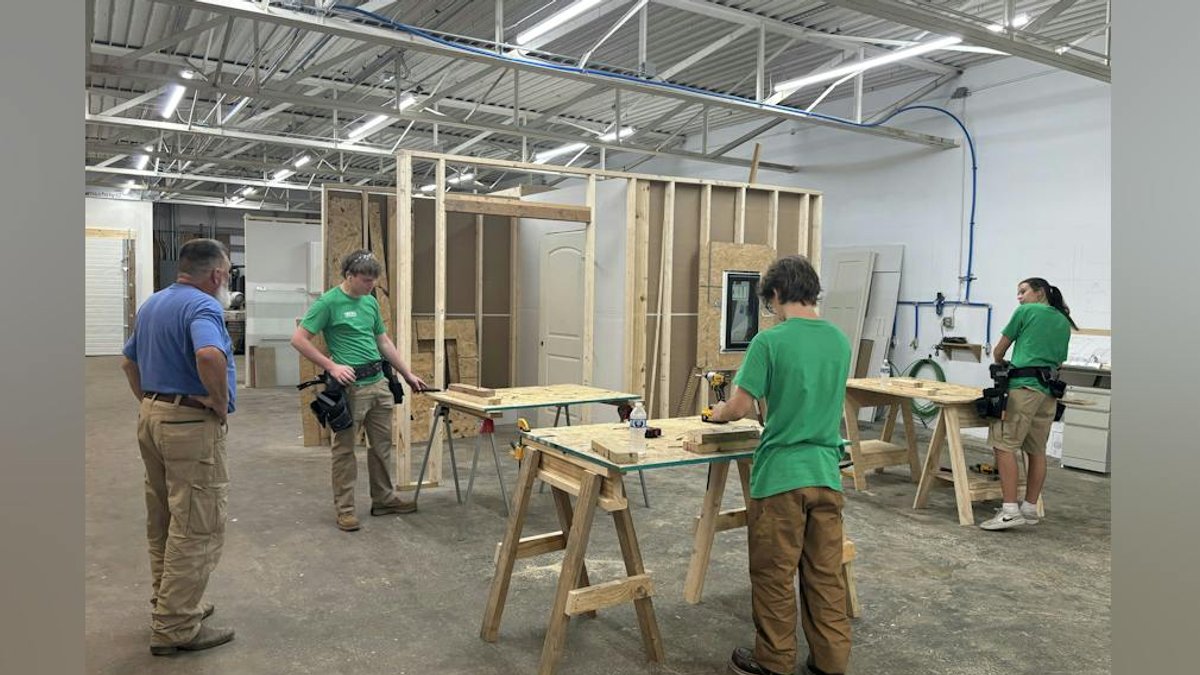
The residential construction sector faces a deep shortage of skilled labor, prompting Mosby Remodeling Academy to launch a paid apprenticeship that blends classroom study with on-site work.
Industry surveys from the National Association of Home Builders and the National Association for the Remodeling Industry show gaps of hundreds of thousands in carpentry, framing, roofing and plumbing. The numbers point to an urgent need for new training pipelines.
Mosby Building Arts, a design-build firm, responded by creating an apprenticeship that runs three and a half years and pays participants from day one.
Apprenticeship model aims to close the gap
In a 2024 strategic planning session, CEO Mark McClanahan outlined a vision called “Mosby 2030,” which included a goal of graduating a dozen apprentices annually. The academy materialized from that plan.
The inaugural class began on September 8, with three trainees. It is designed for individuals with little or no remodeling background and intends to develop them into independent craftsmen.
During the first year, apprentices receive safety instruction, tool familiarization and basic job-site etiquette before moving on to framing and simple trim work. Monthly hands-on courses reinforce each skill.
The second year adds complexity: window and door installation, drywall hanging, and patching. They practice these tasks both in the classroom and on active job sites under mentor supervision.
In the third year, the focus shifts to cabinet fitting, crown molding and advanced problem-solving. The last six months is geared toward integrating skills as a whole, filling in gaps.
Progress is measured through in-person assessments, mentor feedback and occasional online tests. Trainers watch apprentices perform tasks, ask oral questions and record performance against curriculum objectives.
The training space occupies a repurposed 4,000-square-foot warehouse that once stored cabinets. It now houses classrooms and mock-up rooms where trainees can rehearse techniques before hitting real sites.
Leadership and curriculum design
Tom Harland, a former public-school teacher, now serves as Mosby’s field development manager and crafted the apprenticeship curriculum.
His teaching background shaped the blend of classroom theory and repeated site practice that defines each skill module.
Operational structure and early outcomes
Current onboarding spans two weeks, emphasizing safety protocols, tool handling and professional conduct.
Mentors, not project managers, assume day-to-day guidance, allowing managers to focus on broader project delivery.
The recruiter and Tom Harland did a couple of job fairs in the area geared toward hiring.
