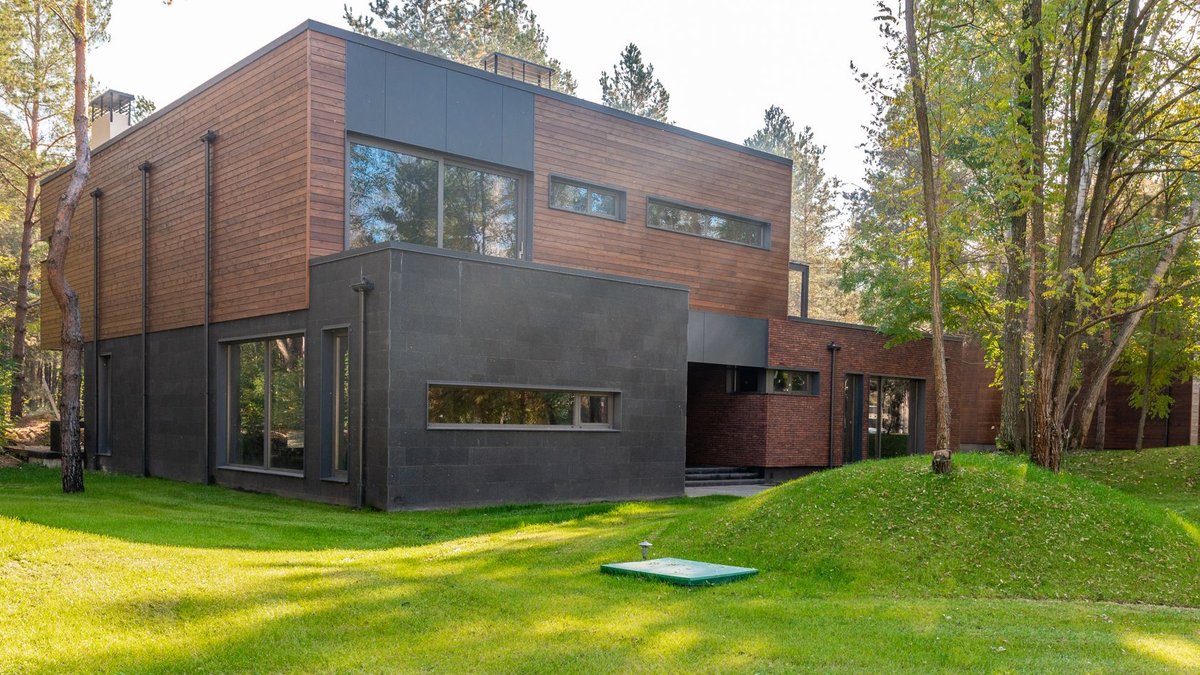
Dubai’s building sector has spent the last decade chasing a difficult balance: architecture that looks striking, performs efficiently in extreme heat, and still gives residents genuine connection to fresh air.
Green Building Regulations, Al Sa’fat certification, and a growing number of LEED-rated developments have pushed designers away from fully sealed, glass-heavy facades and toward passive cooling strategies that were common in the region long before air conditioning existed.
The trouble is that natural ventilation and pest control have always pulled in opposite directions.
Open a window or a courtyard screen to let cross-breezes cool a living space, and you also open the door to dust, sand flies, and mosquitoes that thrive near irrigation canals and landscaped gardens.
For decades the easy fix was to seal the building and let mechanical cooling handle everything, which is exactly the energy-hungry pattern that current sustainability codes are trying to reverse.
Well-specified insect screening is quietly becoming part of the answer.
Architects and contractors working on villas, courtyard homes, and low-rise residential projects are now treating fine-mesh, UV-stable screening as a design element rather than an afterthought, integrating it directly into window reveals, majlis openings, and pool-facing sliding doors.
They are using this type of screening to create a more sustainable home design.
Homeowners renovating older properties are following the same logic, extending quality screening to every opening that lets air move through the home, which can help with potential problems related to poor maintenance.
The shift towards sustainable home design is driven by the need to reduce energy consumption and promote a healthier living environment.
It is a significant step forward for the building sector, as it moves away from energy-hungry mechanical cooling systems.
The new approach prioritizes natural ventilation and pest control, creating a better balance between the two.
This balance is essential for creating a sustainable and comfortable living space.
Designers are now focusing on creating buildings that are not only aesthetically pleasing but also environmentally friendly.
They are achieving this by incorporating passive cooling strategies and well-specified insect screening into their designs.
The result is a more sustainable and comfortable living environment for residents.
The building sector is making progress towards a more sustainable future.
It is a challenging but necessary step towards reducing energy consumption and promoting a healthier living environment.
One of the key benefits of well-specified insect screening is its ability to withstand the harsh conditions of Dubai’s climate.
Aluminum-framed screens with fiberglass or stainless mesh are particularly effective in this regard, as they can resist warping and damage from the sun and sand.
This durability is essential for ensuring that the ventilation benefits of natural cooling are not limited to a single season, but can be enjoyed for years to come with minimal maintenance.
By integrating insect screening into the design process from the outset, architects and builders can create homes that are truly sustainable and comfortable.
This approach requires careful consideration of the mesh grade, frame material, and opening mechanism, as well as the glazing and shading strategy.
By taking a holistic approach to design, it is possible to create homes that can rely on natural ventilation for the majority of temperate days, reducing the need for mechanical cooling and promoting a healthier indoor environment.
The use of fine-mesh, UV-stable screening is also important for maintaining good air quality and preventing the entry of pests and dust into the home.
By keeping the air clean and free from pollutants, homeowners can enjoy a healthier living environment and reduce the risk of respiratory problems and other health issues.
Overall, the shift towards sustainable home design in Dubai is a positive step towards creating a more environmentally friendly and comfortable living environment for residents.
The use of well-specified insect screening is a key part of this approach, and its benefits are clear: reduced energy consumption, improved air quality, and a more sustainable future for the building sector.
