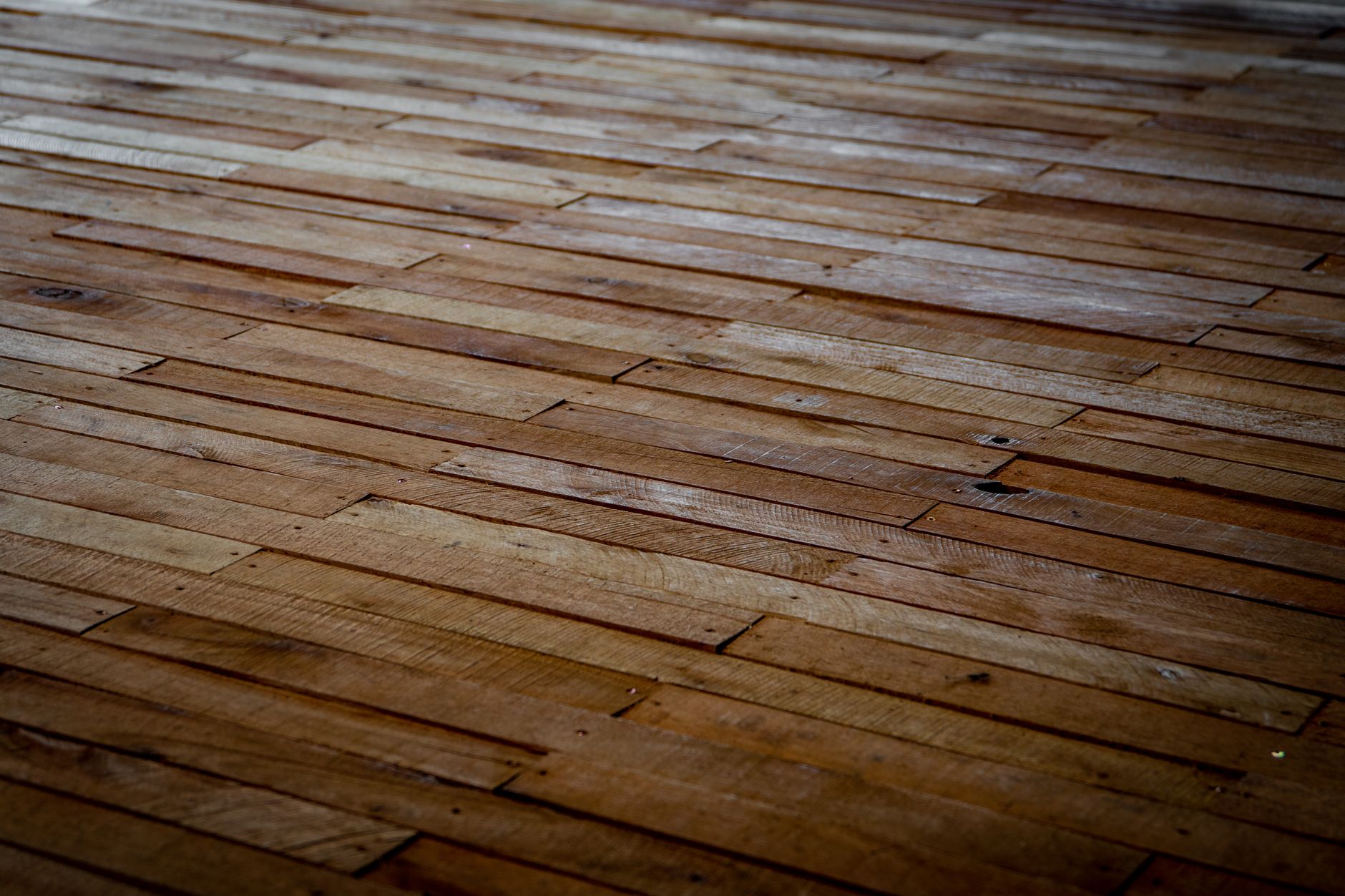
Hardwood flooring typically costs between $6 and $18 per square foot, combining material and labor expenses. This range covers everything from basic installations to premium options, with the final price depending on factors like wood type, thickness, and installation complexity. For example, a 200-square-foot room could cost between $1,200 and $3,600, while a 2,000-square-foot home might reach $12,000–$36,000. These figures are based on industry averages from multiple sources, including Home Depot and Angi.
The cost of materials alone ranges from $3 to $10 per square foot. Labor adds another $3 to $8, but this can vary depending on the contractor’s experience and local market rates. Thicker planks, such as those that are 3/4-inch, tend to be pricier than thinner options. Thinner boards may be cheaper upfront but limit the number of times the floor can be sanded and refinished over its lifespan.
Related: Roofing Contractors in North Port: What Most Misunderstand
Wood species significantly impact pricing. Harder, more durable types like oak or maple often cost more than softer options like pine. The National Hardwood Lumber Association (NHLA) sets grading standards, but different vendors may prioritize appearance over durability when categorizing products. For instance, some grades focus on grain patterns rather than structural integrity.
The way wood is cut affects both price and performance. Plain-sawn planks, with their wave-like grain, are cheaper and more common. Quarter-sawn boards, cut at a steeper angle, are more expensive but distribute wear more evenly. Rift-sawn planks, the rarest and priciest, create a linear grain pattern but generate more waste during processing.
Related: The Benefits of Asphalt Maintenance for Long-Term Pavement Performance in Rockwall
Homeowners can expect to pay between $750 and $5,800 for 200 square feet, depending on choices. This includes everything from basic solid hardwood to engineered options. However, additional costs like removal or repairs might arise. Engineered wood, which is more stable than solid hardwood, may also be a cost-effective alternative in some cases.
Installation methods influence total expenses. Professional teams charge more but ensure precision, while DIY approaches save money but require skill. Proper preparation, like subfloor leveling, can also affect overall costs. Some contractors bundle services like sanding or finishing into their rates.
Related: Asphalt Paving Tips That Help Plano Residents Avoid Cracks, Wear, and Early Damage
Hidden costs can include removing old flooring, repairing subfloor damage, or addressing moisture issues. Refinishing existing hardwood can save money, but it depends on the floor’s condition. Engineered wood, which is more stable than solid hardwood, may also be a cost-effective alternative in some cases.
Prices have risen in recent years due to increased demand and supply chain disruptions. Consumers should compare quotes from multiple contractors and factor in long-term maintenance costs. Some companies offer warranties or guarantees for their work, which can add value to the investment.
