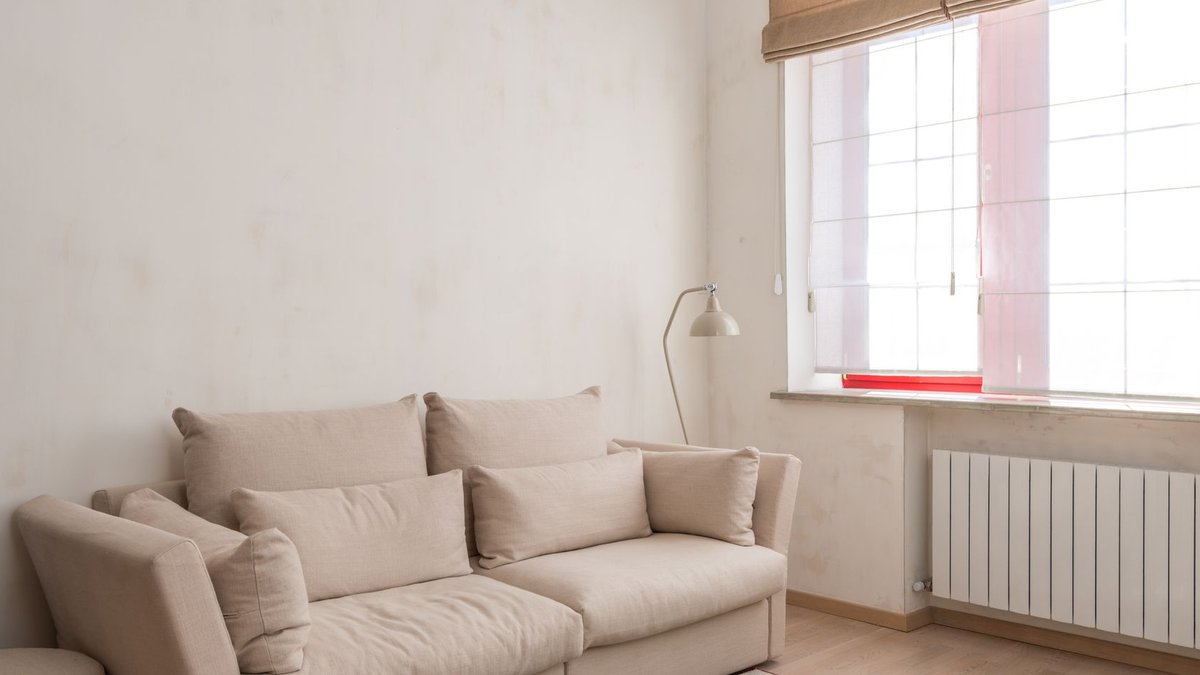
With forecasters warning of an increased chance of heatwaves and above-average temperatures across the UK this July and August, furniture experts are urging homeowners to protect their sofas from prolonged heat and UV exposure before the hottest weather arrives.
Magdalena Gierasinska, Head of Product and Displays at Barker and Stonehouse, shares her expert advice on how homeowners can protect their sofas during periods of hot weather.
Heat and Sunlight Damage
Heat and sunlight cause more damage than many people realise, particularly when it comes to UV rays and direct sunlight.
Magdalena notes that UV rays can cause fabrics to fade over time, while prolonged heat can dry out certain natural materials and affect the overall appearance of your sofa.
Many people do not realise that the sun shining through windows can gradually affect their furniture. UV rays can cause fabrics to fade over time, while prolonged heat can dry out certain natural materials and affect the overall appearance of your sofa.
Related: Benjamin Johnston Discusses Houston Design on LUXE Podcast
Vulnerable Sofa Materials
The material of a sofa plays an important role in how well it withstands heat and sunlight.
Natural fabrics tend to be more vulnerable to fading than many synthetic alternatives, according to Magdalena.
Natural fibres such as cotton and linen can lose their colour more quickly when exposed to regular sunlight, particularly darker shades. Leather also needs more attention during hot weather, as excessive heat can cause it to dry out, making it more susceptible to cracking if it isn’t properly cared for.
Some homes, particularly those with large south-facing windows or conservatories, are more vulnerable to UV exposure.
Aftercare and Maintenance
While faded fabric cannot usually be reversed, there are some ways people can refresh their furniture after periods of extreme heat.
Giving your sofa a thorough hoovering can help remove dust that builds up during warmer months, while gently cleaning upholstery using products suitable for the specific fabric can help restore its overall appearance.
Related: Kéré Architecture Constructs Vertical Playground for Munich Kindergarten
Magdalena also recommends rotating and plumping cushions regularly to encourage even wear and maintain the shape of the seating.
For leather sofas, applying a quality leather conditioner can help replace some of the moisture lost during hot weather and keep the material pliable.
Prevention remains the best way to minimise sun and heat damage, and Magdalena recommends closing blinds or curtains during the hottest part of the day to reduce direct sunlight on furniture.
For homes where moving furniture is practical, she also suggests repositioning sofas slightly away from windows during prolonged periods of hot weather.
Regularly rotating loose cushions helps ensure one side isn’t constantly exposed to the sun, allowing fabrics to wear more evenly over time.
