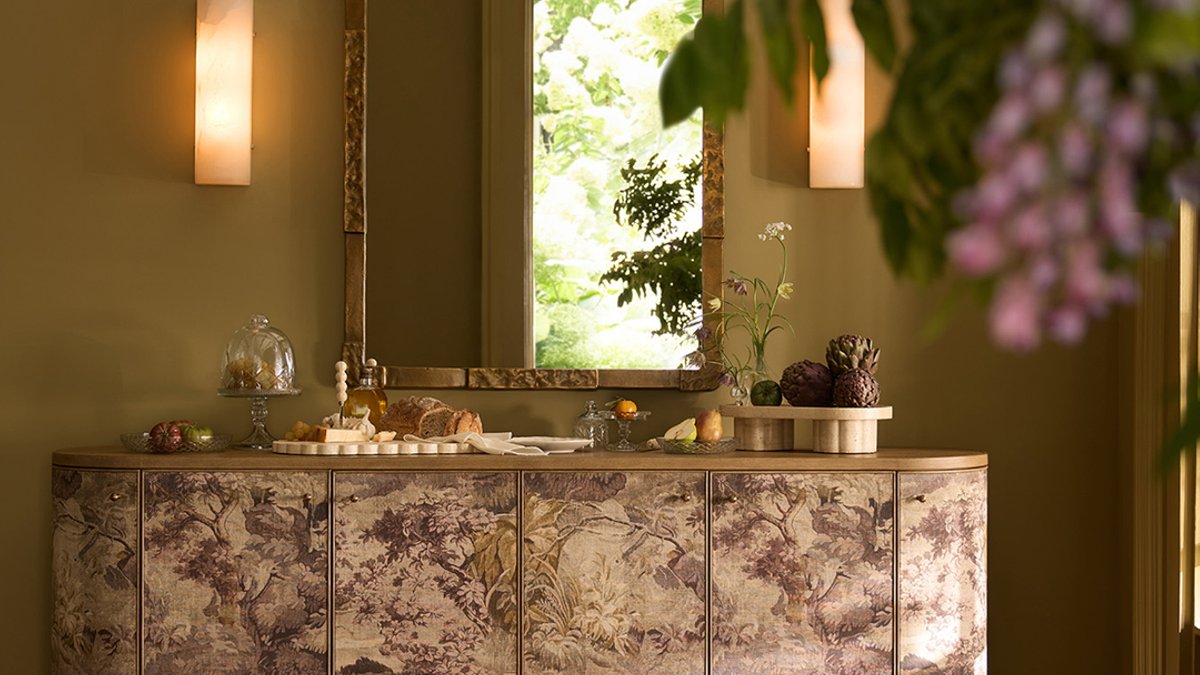
After years of minimalist interiors dominated by white walls and matching furniture sets, home design is shifting toward a more traditional, “collected” aesthetic. The change reflects a growing preference for spaces that feel lived-in, layered, and rich with personality—qualities that brands are now trying to replicate in mass-market offerings.
Antique-inspired furniture makes a comeback
One of the clearest signals of this shift is Arhaus’s fall collection, which leans heavily into antique-inspired designs. The line features classic silhouettes with modern updates: knobbed wood details, gilded finishes, and textured upholstery. The goal isn’t to mimic a museum piece but to create furniture that looks like it was gathered over time, not purchased in a single trip.
Wood tones shouldn’t match perfectly, and hand-painted pieces can add a touch of imperfection that feels intentional. Warm colors and varied textures—think linen, velvet, and distressed wood—help soften the space, making it feel more inviting than a stark, coordinated set.
Rooms designed with a collected feel often feel cozier, which aligns with the seasonal push toward warmth as temperatures drop. A patterned sideboard or an upholstered chair with vintage-inspired fabric can anchor a room, while accessories like antique books or framed art add depth to the space, creating a sense of warmth.
The challenge is balancing these pieces so they don’t feel like a theme—too much uniformity, even in vintage styles, can make a room feel staged rather than lived-in.
Accessories play a big role in selling the illusion. Plush linens in deep colors, warm lighting, and decor with a worn-in look—like a chipped ceramic vase or a faded rug—help soften the edges of new furniture. The result is a space that feels curated, not decorated.
For those hesitant to commit, the trend offers flexibility. A single statement piece, like a hand-painted cabinet or a vintage-style armchair, can serve as a starting point. Over time, the room can grow around it, adding layers and personality without the pressure of a full redesign.
People can find inspiration for this trend in various places, including design strategies that prioritize comfort and personality.
