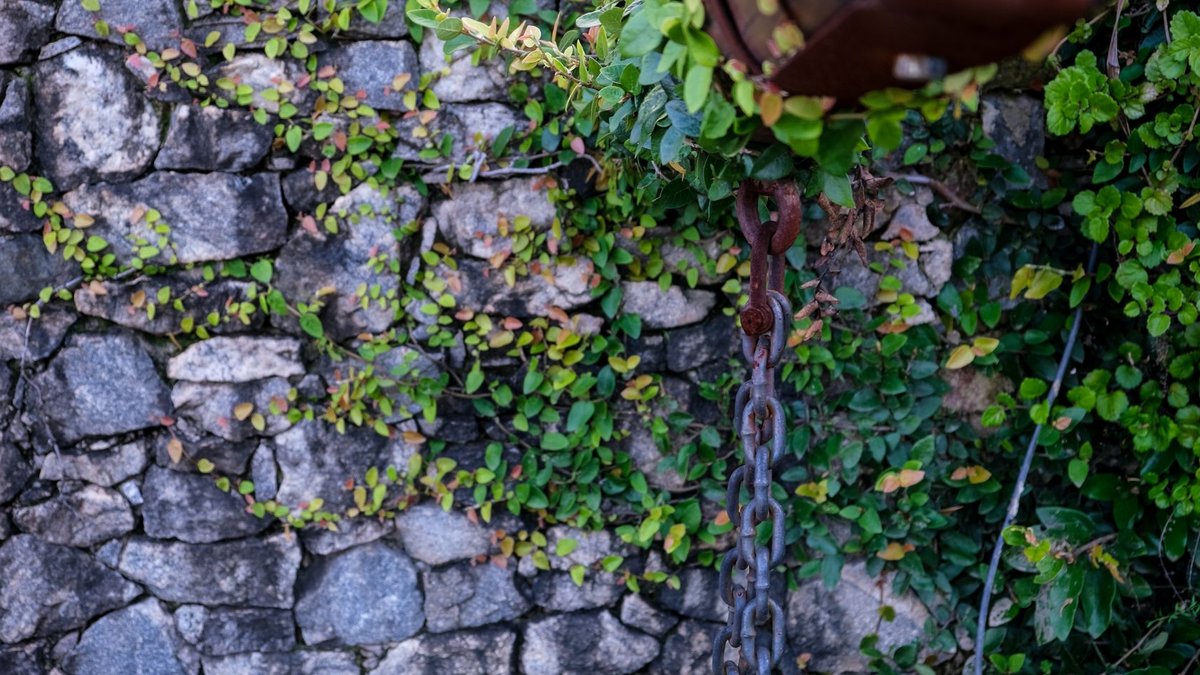
Historic buildings, monuments, sculptures, bridges, and architectural details are more than physical structures. They are records of cultural, artistic, and technological history. Over time, however, stone and metal surfaces are exposed to pollution, moisture, biological growth, corrosion, soot, old coatings, and other contaminants. Removing these deposits is an important part of conservation, but the cleaning process itself can create risks. Traditional methods such as abrasive blasting, aggressive mechanical cleaning, or chemical treatment may alter the original surface, remove valuable details, or introduce secondary damage.
Historical stone and metal structures often have irregular surfaces, delicate decorative features, and naturally developed patinas. A cleaning method that works well on a modern industrial component may be inappropriate for a centuries-old monument. Stone presents particular challenges because its surface can be porous, weathered, or already weakened. Marble, limestone, sandstone, and other materials may respond differently to cleaning energy. Metal structures have their own concerns, including corrosion layers, oxidation, old protective coatings, and historical finishes.
The goal of conservation is therefore not simply to make a surface look new. Instead, professionals must remove harmful or visually disruptive deposits while retaining as much original material and historical evidence as possible. This requires a careful approach where the method of removal is as important as the removal itself.
Related: Carbide Pins Boost Construction Equipment Longevity
When conservators work on a large stone façade, they cannot simply apply a universal setting to the entire surface. The material underneath might be limestone in one section and sandstone in another. If the laser energy is too high for the softer limestone, it will damage the stone. If it is too low for the sandstone, the dirt won’t come off. This is why professional restoration projects often begin with small test areas. They need to understand how the specific stone reacts to the laser before treating a larger surface.
Laser Cleaning in Practice
Laser cleaning uses a focused beam of light to interact with contaminants on a surface. When the laser parameters are appropriately selected, unwanted deposits can absorb energy and be removed while the underlying substrate is affected much less. One of the major advantages is that the process is non-contact. Unlike abrasive blasting, there is no direct mechanical impact from abrasive particles against the surface. The British Museum has highlighted the value of lasers in conservation because they can provide non-contact and highly accurate cleaning for objects and artifacts.
For restoration professionals, this level of control can be especially valuable when working around carved details, edges, inscriptions, ornamental patterns, and other features that must not be unnecessarily altered. The technology allows a conservator to paint the laser beam over a rusted gate and watch the rust disappear without touching the iron beneath. This precision means that a statue’s original patina can be preserved, while years of soot are wiped away.
Related: Dubai Homes Go Green with Smart Design
Recent conservation research continues to examine how laser systems can be optimized for historic materials. Stone type, contamination, wavelength, pulse duration, energy density, scanning speed, and other parameters all influence the result. While the technology offers a non-destructive option, it is not foolproof. “Non-destructive” should not mean that every laser setting is automatically safe. The laser must be tuned for the specific job at hand.
Reducing Environmental Impact
Another advantage of laser cleaning is the reduction in dependence on chemical cleaning agents and abrasive materials. Traditional restoration processes can generate wastewater, spent chemicals, abrasive residues, or other secondary waste. Laser cleaning can reduce the need for some of these consumables, making it an attractive option where environmental impact and waste management are important considerations. This shift away from chemical stripping agents helps preserve the surrounding environment while treating the structure.
At the same time, laser cleaning should be viewed as one conservation tool rather than a universal replacement for every restoration technique. Different historical materials require different approaches, and experienced conservators should determine whether laser treatment is appropriate for a particular structure. Modern conservation practice emphasizes assessment before, during, and after treatment because even a precise technology must be used appropriately. The latest technical guidance on laser cleaning in cultural heritage also stresses the importance of evaluation and monitoring during conservation interventions.
Related: Engineers Balance Roads and Utility Systems
For larger restoration projects, a properly selected non-destructive laser cleaning machine can provide a flexible solution for controlled surface treatment. Depending on the application, operators can adjust parameters to balance cleaning efficiency with the need to protect the original substrate. When supported by careful testing, appropriate equipment, and professional conservation procedures, laser cleaning can help historical structures remain visible, stable, and appreciated for generations to come.
This technology has clear benefits for the built environment, especially when engineers balance roads and utility systems found beneath historic surfaces. The precision of laser systems offers a way to clean delicate surfaces without the mess associated with abrasive methods.
