Porto‑based Summary architecture studio has completed a residential project that uses prefabricated panels made from a cement composite infused with discarded rice husks, showcasing a sustainable alternative to conventional building materials.
The project highlights innovative reuse.
Design and construction of the Rice Husk House
The house, located in Esmoriz about 25 kilometres south of Porto, occupies a flat, square plot and follows an L‑shaped plan. Its exterior is covered almost entirely with panels that combine reinforced concrete and a 23‑centimetre‑thick outer layer of rice‑husk composite. The panels were manufactured off‑site, allowing the foundation work and earthworks to proceed while the modules were produced. This approach reduced overall construction time, and the panels arrived with portions of the electrical and plumbing systems already installed.
According to the firm’s founder and architect Samuel Gonçalves, the panels give the home a rough, cement‑like texture that leans toward a minimalist, almost brutalist aesthetic. The composite material provides both cladding and insulation, eliminating the need for separate EPS or XPS foam boards typically used for thermal performance.
Related: Azure’s Great Canadian Design Road Trip begins
The panels’ thermal resistance is listed at 1.877 m²K/W, a figure that suggests the structure can maintain interior comfort without additional insulation. The layout of the house was also planned to encourage natural cross‑ventilation and optimal solar exposure, further enhancing energy efficiency.
Environmental impact of using rice husks
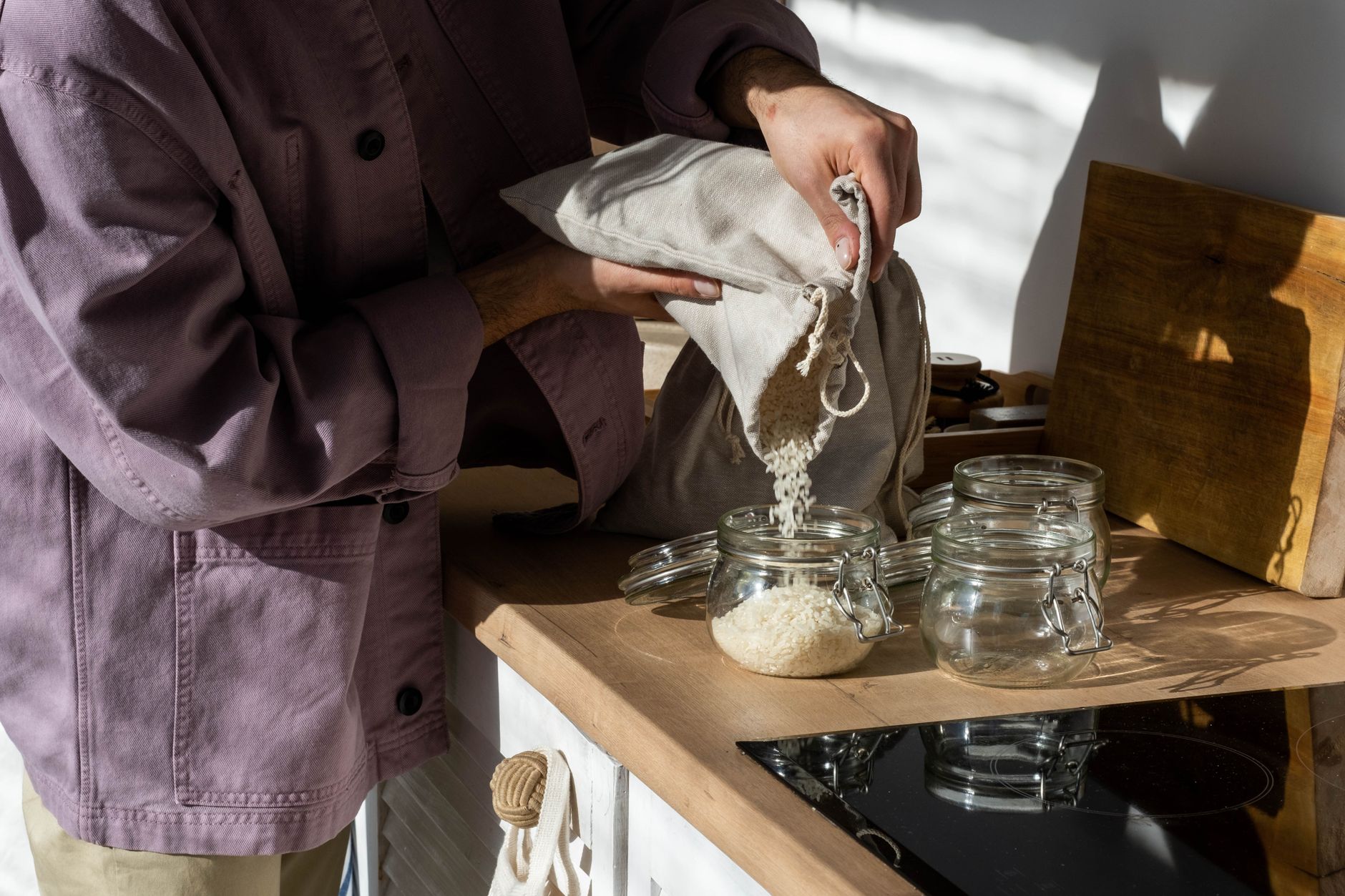
Rice husks are a by‑product of the region’s agricultural sector, which also produces corn and wine. Traditionally, the husks are either burned, releasing carbon, or buried, contributing to landfill waste. Gonçalves notes that each option creates harmful outcomes, either waste buildup in the landfill or carbon release while burning. By incorporating the husks into a cement‑based composite, the project diverts the material from these routes and adds structural robustness.
The husks used in the house were sourced from a local rice producer that had previously supplied them for research on acoustic barriers for traffic. This local supply chain reduces transportation emissions and supports regional agricultural businesses.
While the studio typically concentrates on social‑housing projects, the client’s private residence presented an opportunity to test the material at scale. “Rather than just a home, it was an experiment for us — a prototype,” the architect said, emphasizing the dual purpose as both a dwelling and a proof‑of‑concept.
Related: Asphalt Paving Tips That Help Plano Residents Avoid Cracks, Wear, and Early Damage
Compared with earlier attempts to use agricultural waste in construction, this project demonstrates a more integrated approach, combining structural and insulating functions in a single panel. Past efforts often required separate layers or additional treatments, which added complexity and cost. By streamlining the system, Summary may have set a benchmark for future bio‑based building applications.
The house’s exterior panels were assembled on site after the foundation was laid. The prefabricated modules fit together like a puzzle, and the pre‑installed services simplified the final hookup. This method mirrors practices in modular construction that aim to shorten on‑site labor and reduce waste. The result is a building that looks austere yet performs efficiently, with the rice‑husk layer acting as both a protective skin and a thermal barrier.
Local observers have noted the building’s stark appearance, which contrasts with the surrounding residential area. The texture, described as “rough, cement‑like,” may not appeal to every taste, but it signals a shift toward using renewable resources in mainstream architecture. The project also aligns with broader European goals to reduce the carbon footprint of the built environment.
Future projects from Summary could explore scaling the technology for larger housing developments. If the performance data from the Esmoriz house holds up, the composite may become a viable alternative to traditional insulation, especially in regions where rice husk waste is abundant. For now, the Rice Husk House stands as a tangible example of how agricultural by‑products can be repurposed into functional, durable building components.
