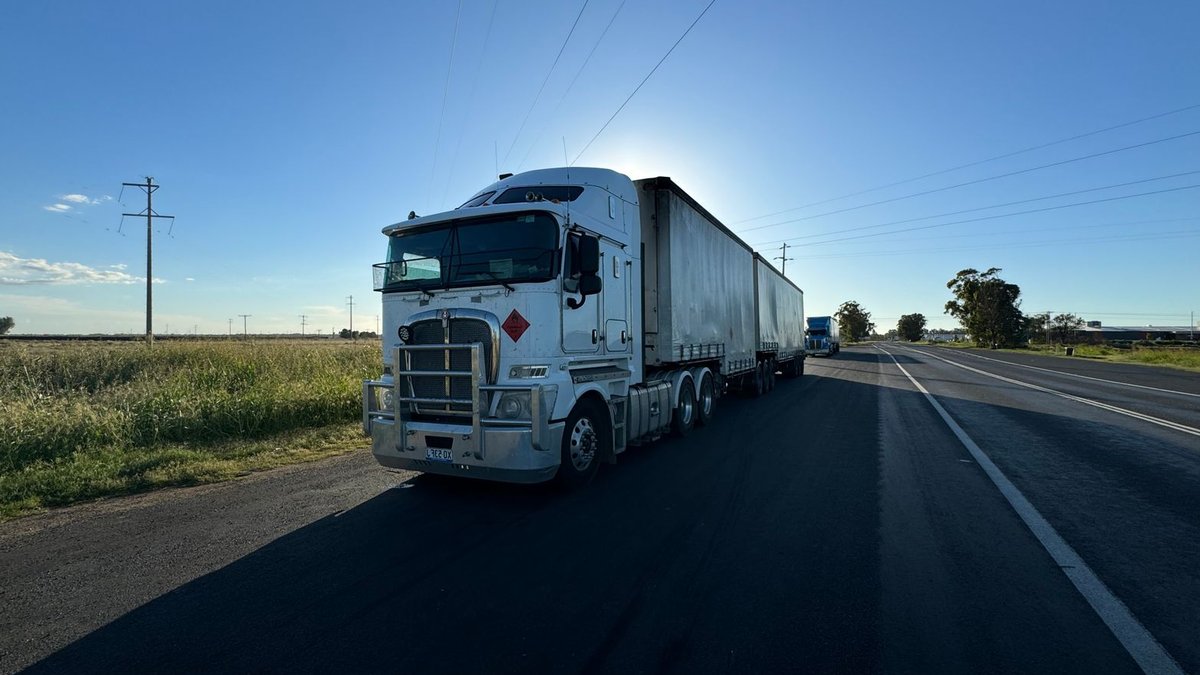
Construction firms cut transport emissions by rethinking how vehicles are used on daily job sites, a move that can quickly lower both carbon footprints and operating costs.
Why Vehicle Use Matters for Builders
Transport accounts for a sizable share of a builder’s overall greenhouse‑gas output, yet it often receives less scrutiny than materials or heavy equipment. A typical project generates dozens of trips each day for inspections, deliveries and crew movements, and those trips repeat across multiple sites on a six‑day workweek. When multiplied, fuel consumption and emissions rise sharply.
Regulators and clients are tightening requirements for emissions data, turning cleaner travel into a competitive edge. Companies that can demonstrate lower transport emissions are more likely to win public tenders and private contracts.
Steps to Manage Fleets More Efficiently
The first task is to gain visibility into vehicle activity. Without accurate tracking, any effort to reduce usage is guesswork. Telematics systems reveal idle periods, unnecessary mileage and fuel waste, turning raw data into actionable decisions.
Key habits that deliver most of the savings include:
- Right‑sizing trips by combining site visits to eliminate empty runs.
- Using telematics to monitor and cut idle time.
- Keeping vehicles well‑maintained; a tuned engine can shave roughly 10 % off fuel use.
- Matching the vehicle to the job, avoiding large utes for small tool deliveries.
- Planning routes with smart scheduling software to trim distance and time.
Implementing these practices can lower a fleet’s fuel consumption by about 15 % within the first year, a figure that reflects both financial savings and emission cuts.
Many firms still run an oversized fleet year‑round, a habit that drags down efficiency.
Rental options provide an alternative to ownership.
Related: Boulder Offers Art Lovers a Perfect Day
Large owned fleets often sit idle between projects, aging while still incurring depreciation costs. Flexible hire arrangements let companies select the exact vehicle needed for each job, reducing waste and eliminating the capital expense of maintaining a permanent fleet.
Rental fleets are typically refreshed every two to three years, meaning the vehicles are newer and meet the latest emissions standards. This turnover results in better fuel efficiency compared to older owned trucks.
Electric Vehicles in Construction Transport
Electrification is gaining momentum in the sector. Global sales of hybrid and fully electric construction vehicles are projected to reach billions of dollars within a few years, signaling a clear shift toward cleaner powertrains. However, charging infrastructure remains the main practical hurdle.
Guidance from the EPA outlines how green vehicle technologies are advancing, and on‑site or depot charging plans are becoming a priority for companies looking to adopt electric models. Light‑duty site‑travel vehicles and short urban routes are the most suitable initial candidates for electrification.
A useful resource for comparing electric options is the Alternative Fuels Data Center, which offers data on vehicle performance and emissions. Testing a few electric units through a rental provider offers a low‑risk entry point, allowing firms to assess suitability without committing to full ownership.
While electric trucks are not yet the norm for heavy‑load tasks, their growing availability means companies can gradually integrate them where they fit best, aligning with broader sustainability goals.
From a broader perspective, tackling transport emissions fits into a larger sustainability strategy that includes greener materials and construction methods. Reducing travel footprints builds trust with clients, staff and the public. Steady, measured progress across all operational areas tends to outperform isolated, high‑visibility projects.
Overall, construction firms that treat transport as an integral part of their climate plan find quick, practical gains. By measuring vehicle use, optimizing scheduling, leveraging flexible rentals, and piloting electric options, they achieve lower emissions and cost savings, positioning themselves favorably in an increasingly responsible market.
