Choosing the right fuel type for a stove or fireplace involves more than just aesthetic preferences, as modern options range from woodburners and pellet stoves to gas, electric and bioethanol models. Each appliance type carries specific requirements for installation, control, storage, ventilation and daily operation, requiring a clear understanding of how the unit functions within the home.
Woodburning Stoves
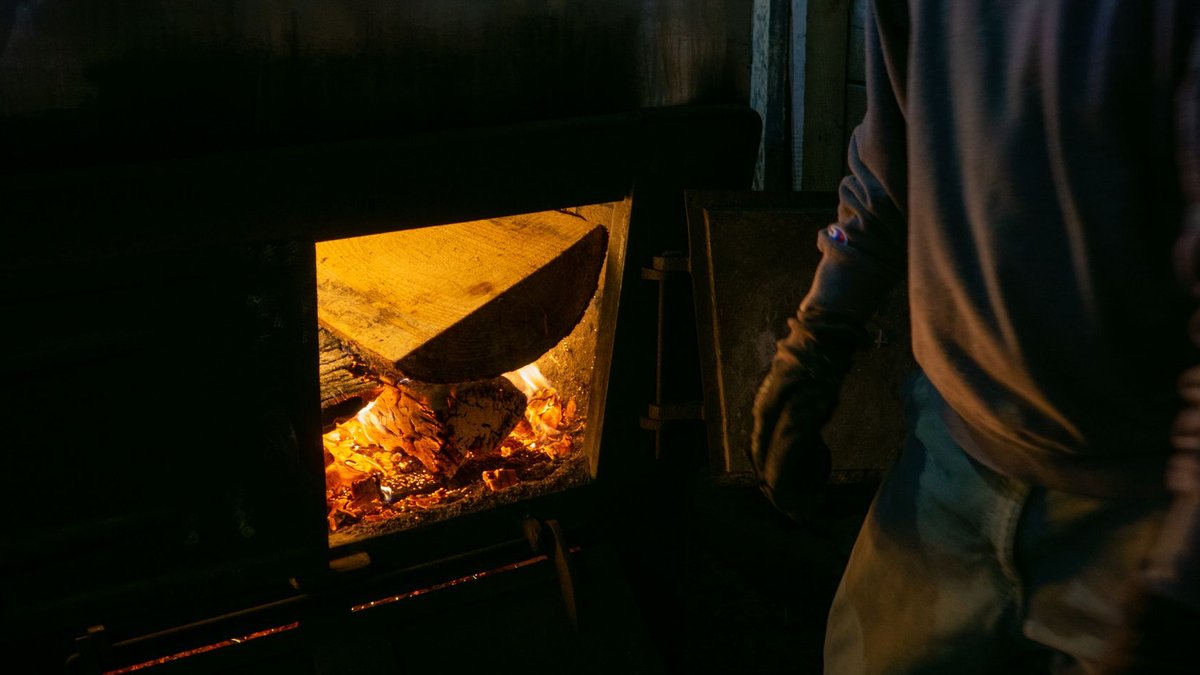
Woodburning stoves remain a popular choice for those seeking the radiant warmth and traditional ritual of a real fire. They are, however, hands-on appliances with output that can be difficult to control precisely. John Nightingale, managing director at Stoves Online, notes that while they are perfect for sitting by a cosy hearth on a Saturday night, most people overlook the work involved with firewood. This includes stacking the logs, laying the fire, and clearing out the ash.
Using Ready to Burn logs, which have a moisture content of less than 20%, helps ensure cleaner and easier combustion. This type of fuel emits less smoke and burns more efficiently. For users who want the look of a wood fire but prefer more predictable performance, heat logs or wood briquettes can be a useful alternative. These compressed fuels can offer a cleaner, hotter and longer burn, reducing the frequency of loading and ash removal. However, they require very dry storage to prevent dampness from causing them to swell, crumble or become unsuitable for burning.
Pellet Stoves
Pellet stoves offer a different proposition compared to log stoves. They are room-heating appliances with real combustion, but the burn is cleaner and more controlled. The fuel consists of compressed timber and must be used in dedicated pellet stoves. John Nightingale states that they have a fraction of the emissions of regular logs, burning so cleanly that no smoke will be visible from the chimney.
Many models come with automated feeds to reduce the need for manual loading. The trade-offs for this convenience include the need for a specialist appliance, bagged fuel, and in many cases, an electrical supply for the feed and controls.
Related Post: Modern Home Perches Peacefully in North Carolina Mountains
Multi-fuel Stoves
Multi-fuel stoves provide more flexibility than a dedicated woodburner, though they cannot burn any solid fuel. The appeal lies in the ability to use logs or briquettes for the look and feel of a wood fire, while still having the option to use smokeless or manufactured solid fuels for a longer, steadier burn. This flexibility requires the appliance to be designed to use these alternative fuels. Bear in mind that some of these solid fuels may not match the sustainability credentials of responsibly sourced logs or wood pellets.
Gas Stoves
Gas stoves suit homes that require strong, highly controllable heat without the need to store solid fuel. Balanced flue versions are sealed from the room and draw combustion air directly from outside. This design makes them easier to integrate into efficient modern homes than open-combustion appliances. However, the situation for gas heating is shifting. Under the Future Homes Standard, new houses will need low-carbon heating, meaning most new builds will likely be built without a mains gas connection. This makes gas a stronger fit for retrofit projects where a mains connection already exists, rather than new self-builds planned around all-electric heating and fabric-first performance.
Electric Stoves
Electric stoves represent the simplest option for those who want quick, controllable heat without combustion, ash, fuel storage or chimney sweeping. They are easy to operate, typically via a switch, remote or thermostat. Because they lack a flue, they are a straightforward fit for efficient homes where adding a combustion appliance would add complexity to the airtightness.
Peter Mintoft, managing director of Charlton & Jenrick, observes a growing interest in these units, particularly from customers seeking simpler installation and greater flexibility. The compromise is that the flame effect may not appeal to everyone, and the heat output is usually best used as a localised comfort top-up rather than the main heat source for a large room.
Bioethanol Stoves
Bioethanol stoves offer a real flame without a chimney or flue, giving owners more freedom over their placement in a room. The fuel is derived from fermented plant material, and burning it releases heat, water vapour and carbon dioxide. Because these byproducts are released into the room, proper ventilation is essential. These units are often used for decorative or supplementary purposes. They are better suited to smaller spaces or occasional use than whole-room heating in large areas. They are generally not the best fit for highly airtight homes unless the ventilation strategy and manufacturer’s requirements have been carefully checked.
