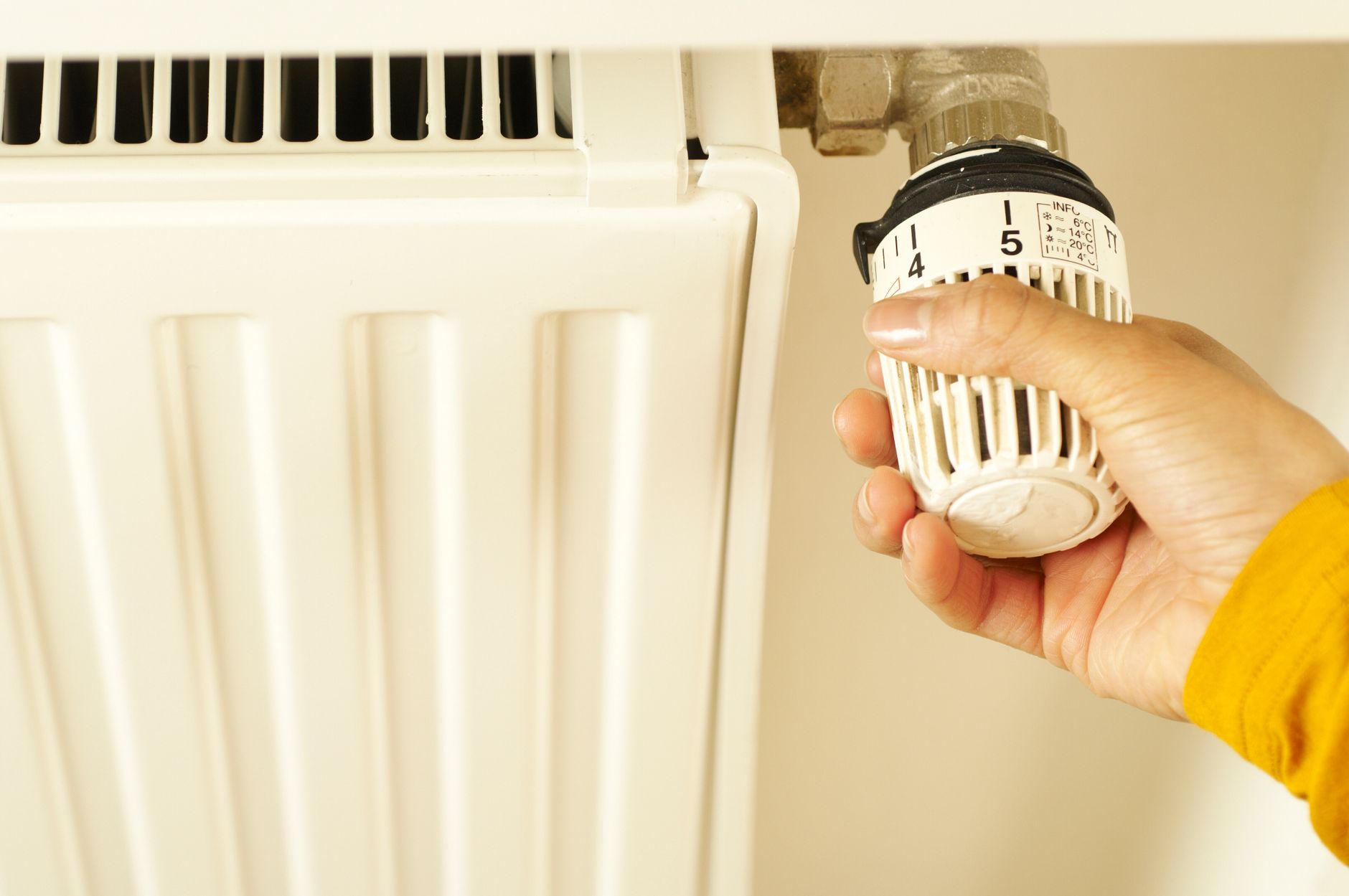
The typical tankless water heater installation cost in 2026 lands between $1,200 and $3,500, averaging about $2,800 for equipment and labor, according to the report. Unlike traditional storage tanks, on-demand heaters eliminate standby energy loss. The U.S. Department of Energy says switching can improve energy efficiency by up to 34%. That translates to long-term savings, though upfront costs remain higher. Not every home is a perfect fit—older houses often need gas line or electrical upgrades that push the total closer to the high end.
One homeowner in Indiana recently paid the average cost for a tankless installation.
He’s seen his monthly gas bill drop by $25 to $30. But there’s a catch: hot water takes 3 to 5 seconds longer to arrive at the tap. A plumber explained that’s because the unit needs a moment to fire up. The homeowner considers it a minor trade-off for endless hot water and back-to-back showers. He also does annual maintenance himself—flushing the unit with vinegar—to keep it running efficiently.
Cost by Fuel Type
Electric models cost the least upfront.
Related: Carpet Installation Prices Vary by Location
Your choice of electricity, natural gas, or propane directly affects the price. Total runs $650 to $2,500. But electric units demand a lot of power—120 to 160 amps and multiple 240-volt circuits. If your panel is near capacity, an upgrade may be required. As one plumbing expert noted during a project visit in Florida, “With electric, it’s a little different story for a house like this. You need a lot of power for that burner to come on.”
Propane heaters cost $1,400 to $3,500 total.
Propane and natural gas units have higher upfront costs but stronger flow rates. They need a 100-gallon tank and venting through walls or roofs. Natural gas models range from $1,650 to $3,500 and deliver up to 11 gallons per minute. That makes them better for larger families running multiple fixtures at once. But older homes often require upgrading gas lines from half-inch to three-quarter-inch pipe, adding $400 to $800. Another plumbing expert explained, “Even though it’s gonna use less energy over time, it’s gonna need a big burst of gas for a short period of time.”
What Else You’ll Pay For
Beyond the unit and basic installation, several add-ons can inflate your bill. Electrical panel upgrades: $200 to $800. Gas line updates: $350 to $750. Venting for gas units: $400 to $800. Removing the old tank: $100 to $500. Building permits: $50 to $200. Some locations require separate electrical and plumbing permits. Inspections add another $74 to $150. These aren’t optional—code compliance is legally required in most areas.
That list might look daunting.
Related: Urgence volet roulant à Limoges : quand faire appel à un spécialiste?
But for many homeowners, the energy savings over 15 to 20 years make the math work. Tankless units last roughly twice as long as conventional tanks, which need replacement every 8 to 12 years. Annual operating costs for gas tankless models run about $192 to $264, compared to $440 to $580 for a standard tank. The 30% federal tax credit—capped at $600—knocks down the sticker price too. Many utilities offer $100 to $300 rebates. Rinnai and Rheem regularly provide $100 to $400 manufacturer rebates.
Tankless vs. Standard Tanks
Conventional tank heaters cost $800 to $1,500 installed, roughly half the upfront price of a tankless system. They store 40 to 80 gallons of pre-heated water and handle peak demand better during power outages. But they waste energy keeping that water hot around the clock. Tankless units are significantly more efficient when a household uses up to 41 gallons of hot water daily, according to ENERGY STAR. That efficiency gap widens in homes with lower hot water usage.
Space is another factor.
Tankless heaters mount on a wall and need only about three square feet. Tank models take up floor space and require more room. But tankless units need yearly descaling to prevent mineral buildup, a $100 to $200 expense. Some homeowners can do it themselves with vinegar and a pump, as he does. That keeps the cost low but requires an hour of work.
Related: What Are the Signs You May Need Basement Waterproofing for Your Home
DIY or Hire a Pro?
Licensed plumbers charge $75 to $150 per hour, and installation takes 4 to 8 hours. That adds $500 to $1,500 to the total. While a handy homeowner might handle a small electric point-of-use unit, whole-house systems require expertise in gas lines, venting, and electrical work. Mistakes risk fires or carbon monoxide exposure.
Professional installation also keeps the manufacturer’s warranty valid.
The report recommends getting three quotes—prices can vary by $500 or more for identical work.
Seasonal timing helps too. Buying in fall or spring can yield 10% to 20% retail discounts. Package deals on plumbing repairs can trim labor costs. But the biggest saving comes from right-sizing the unit. A medium whole-house heater (5–7 GPM) costs $1,000 to $2,000. A large model for a four-bedroom home runs $1,500 to $3,000. Oversizing wastes money; undersizing leads to lukewarm showers. Measure your home’s peak flow—showers use 2 GPM, washing machines need about 3 GPM—and match accordingly.
