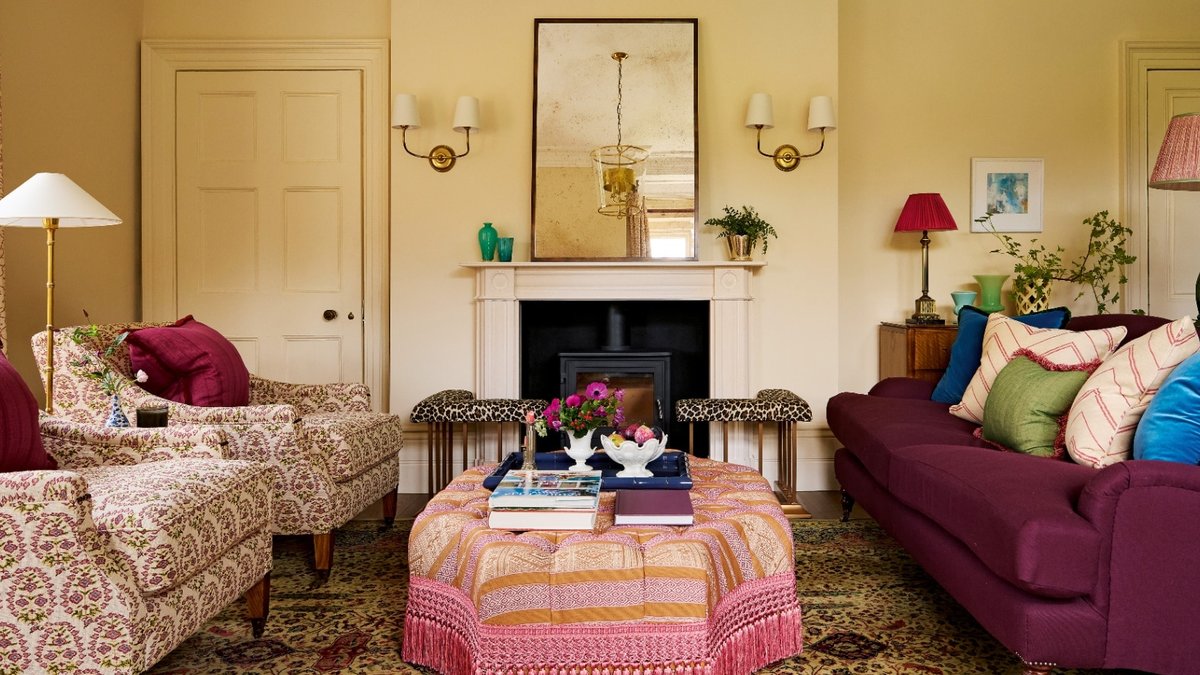
Interior design trends are shifting away from clinical plaster and cold minimalism, adopting a new concept called texture-maxxing. This approach focuses on creating spaces that prioritize touchable comfort and sensory warmth, especially during the colder months.
Award-winning interior designer Laura Stephens explains that texture-maxxing is about layering various tactile elements, such as linen, velvet, woven rugs, and rustic furniture, to create a room that feels as good as it looks.
The Art of Layering Textures
Melissa Hutley, co-founder of Hutley & Humm, emphasizes that texture-maxxing involves combining tactile materials like timber, stone, and woven fabrics to add depth and interest to a room. This technique creates a richness that can be both seen and felt.
For Zara Bolingbroke-Kent, founder of Bombay Sprout, natural weaves are essential in giving a room its soul. She believes that texture is a powerful tool for making a space feel warm, inviting, and lived-in, especially during autumn and winter.
Building a Textured Foundation
When creating a textured space, designers recommend starting with the room’s foundation. Bolingbroke-Kent suggests beginning with a large, simple flatweave or jute rug to set the tone for the entire room. From there, different materials can be introduced through upholstery, curtains, cushions, and throws.
Hutley advises considering texture across the entire room, starting with permanent elements like flooring, joinery, walls, and larger furniture pieces. Softer layers can then be added through upholstery, rugs, curtains, and throws.
Balancing Texture and Visual Breathing Room
While texture-maxxing encourages the use of various tactile elements, it’s key to maintain balance. Stephens recommends incorporating quieter moments, such as smooth painted walls or glossy finishes, to allow heavily textured elements to stand out.
A cohesive color palette is also essential in making texture feel considered rather than chaotic. By leaving some areas quieter, designers can ensure that tactile elements have a greater impact, creating a rich and inviting space that remains comfortable to live in.
This approach to interior design, similar to the burrowcore trend, prioritizes the way a home feels, ensuring that the design remains timeless and never dates.
By grounding spaces in timeless decorating ideas and incorporating subtle paint finishes, such as chalky limewashes or matte finishes, homeowners can achieve a layered warmth that extends beyond just the walls, creating a truly inviting and comfortable environment.
