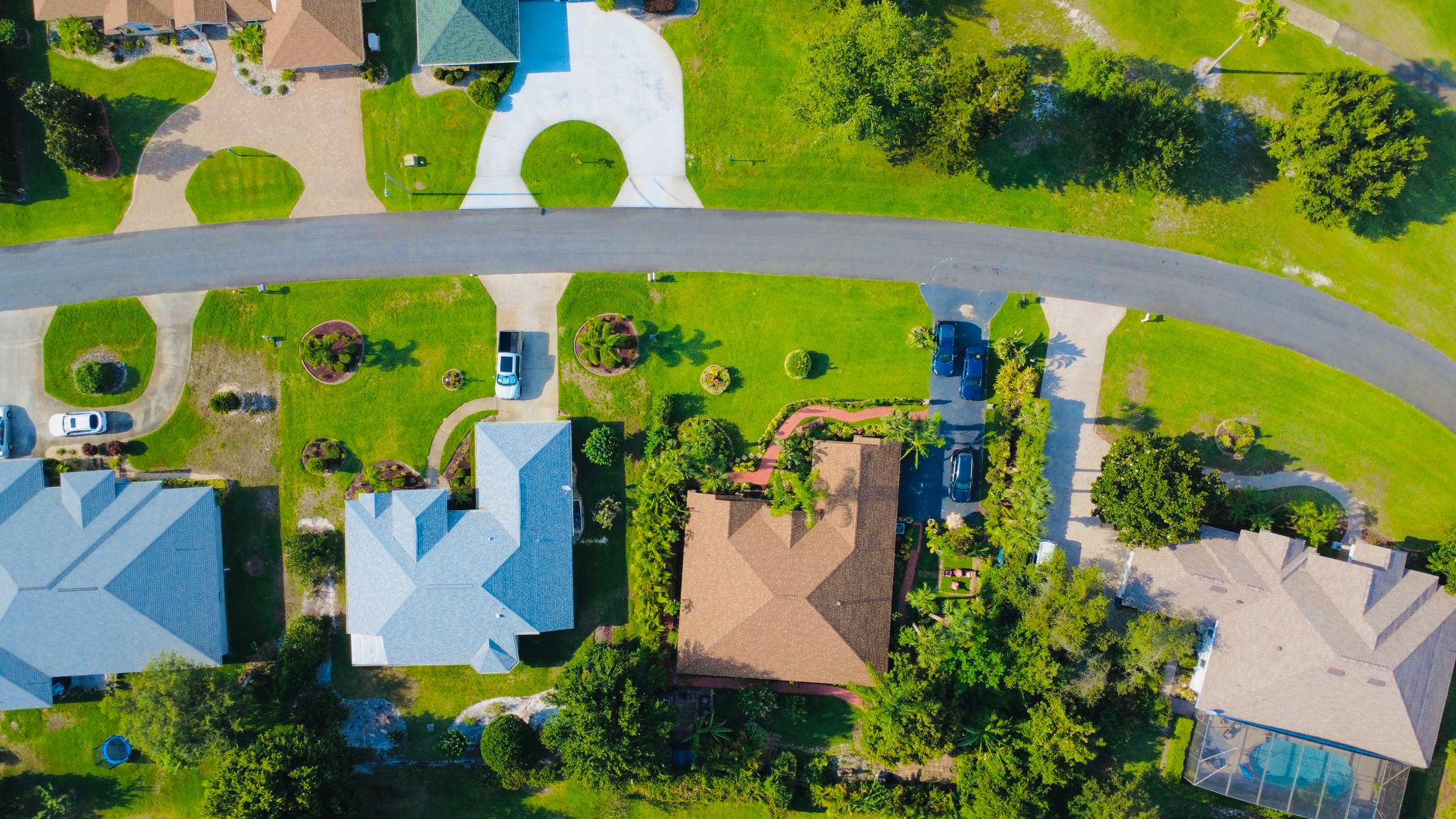
Repaving a driveway can be a costly project, with average prices ranging from $2,550 to $11,600 for a 400-square-foot area. Costs depend on several factors, including the size of the driveway, materials chosen, and other cost factors. Asphalt and concrete are the most common options, but alternatives like gravel, bricks, and recycled rubber also exist, each with its own pros and cons.
Related: Tankless Water Heater Installation Costs Rise in 2026
Signs that a driveway may need resurfacing include minor cracks, fading color, pitting, slight unevenness, and small water pooling areas. These indicate surface-level issues that can often be addressed without full replacement. However, if the foundation is failing—marked by large cracks, widespread potholes, drainage problems, or significant sinking—repaving is usually necessary. Driveways older than 15–20 years may also require replacement, as most materials degrade beyond repair at this point.
The cost of repaving varies widely based on the material selected. Asphalt driveways typically range from $6–$29 per square foot, while concrete can cost between $5–$21. Gravel is cheaper, at $3–$7 per square foot, but may require frequent maintenance. More specialized options like cobblestone or brick can cost up to $41 per square foot. Installation complexity, driveway size, and labor also impact total expenses. Larger driveways require more materials and labor, significantly increasing costs.
Related: Crystal Clear: How to Clean and Maintain Glass Shower Enclosures Without Streaks
Material selection is a critical factor in overall project costs. Asphalt is popular in cold climates due to its flexibility in freezing temperatures, but it softens in heat and lasts only about 20 years. Concrete is more durable, lasting up to 40 years, but is unsuitable for freezing areas. Bricks and cobblestones are highly durable but require skilled installation. Stamped concrete can mimic expensive materials at a lower cost.
Additional considerations include drainage systems, permits, and preparation work. Proper drainage is essential, especially for nonporous materials like concrete or rubber, to prevent water damage. Tree roots or steep inclines can also increase installation costs. Resurfacing, which involves repairing the top layer without replacing the base, is a more affordable option for minor damage, costing $400–$4,000 for a standard 20×20-foot driveway.
Related: Why Choosing the Right Asphalt Paving Company Makes All the Difference for Your Driveway
Professional installation is strongly recommended due to the heavy machinery and expertise required. While DIY is possible for gravel, most materials demand professional labor for proper compaction, grading, and sealing. Choosing the right material, addressing underlying issues, and planning for long-term maintenance can help homeowners make cost-effective decisions for their driveways.
